
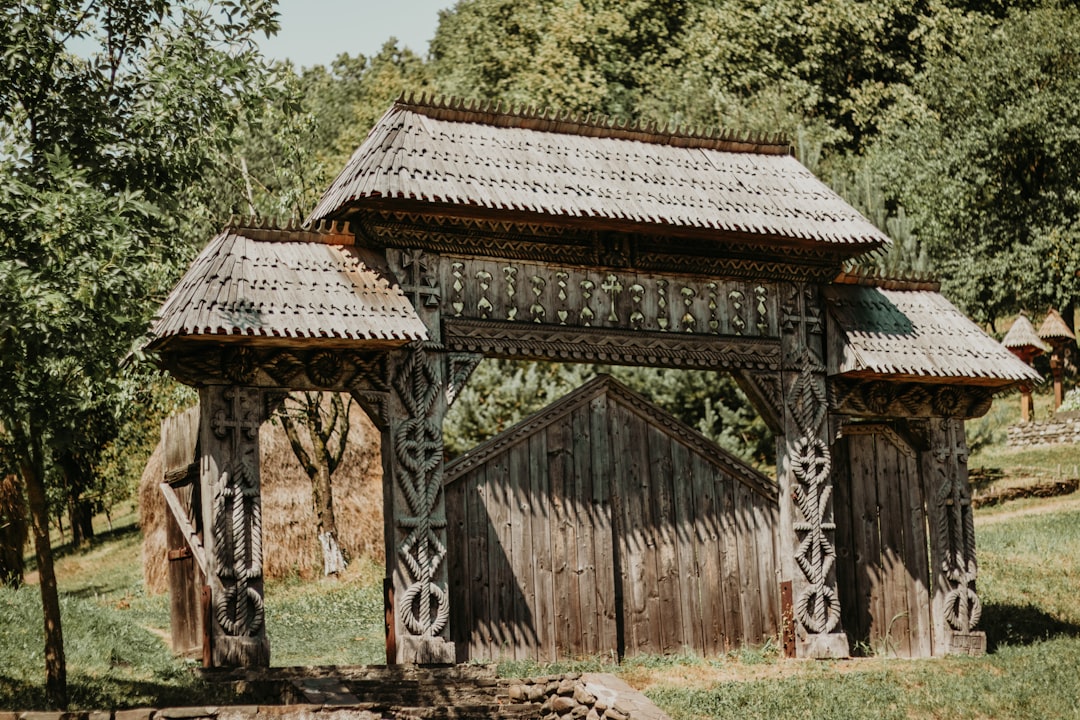
You desire to understand the genuine essence of Romania. This guide aims to provide a factual framework for such an exploration, moving beyond superficial impressions to reveal the deeper currents of its culture.
România’s culture is not a monolithic entity but a tapestry woven from threads of history, geography, and diverse influences. To discover its authentic character is to engage with its origins, the bedrock upon which contemporary society is built.
Istoria ca Fundament al Identității
The historical narrative of Romania is a crucial lens through which to understand its present. From ancient Dacian roots to Roman conquest, medieval principalities, Ottoman and Austro-Hungarian influence, and the 20th-century upheavals, each era has left an indelible mark.
Dacia Antică: Primii Locuitori și Moștenirea Lor
The Dacians, an ancient Indo-European people, inhabited the lands of present-day Romania for centuries before the Roman conquest. Their agricultural societies, skilled craftsmanship (particularly in metalworking), and spiritual beliefs form the foundational layer of Romanian identity. Archaeological sites such as the Sarmizegetusa Regia fortress complex offer tangible evidence of their civilization. Understanding their worldview, often intertwined with nature and cyclical time, provides a valuable starting point for appreciating Romanian connection to the land. The remnants of their fortifications, built with impressive engineering for their time, speak of a people who understood their environment and sought to defend it. Their legacy, though often fragmented in the historical record, is not merely academic; it informs a certain resilience and a deep-seated connection to the territory.
Imperiul Roman și Latinitatea: Limbă și Civilizație
The Roman conquest of Dacia, beginning in the 2nd century AD, was a transformative event. The imposition of Latin language and Roman administrative structures laid the groundwork for the Romanian language, a Romance tongue, unique in Eastern Europe. The process of Romanization, while not erasing all Dacian elements, fundamentally reshaped the region’s cultural trajectory. Roman infrastructure, such as roads and cities, facilitated trade and cultural exchange, leaving physical and conceptual imprints. The concept of „Latinity” continues to be a significant aspect of Romanian self-identification, distinguishing it from its Slavic and Hungarian neighbors. This linguistic heritage is the living embodiment of this historical interlude, a testament to a civilization that extended its reach and left a lasting linguistic lineage.
Evul Mediu: Principatele Române și Luptele pentru Independență
The medieval period witnessed the formation of distinct Romanian principalities: Wallachia, Moldavia, and Transylvania. These entities, often caught between powerful empires like the Ottoman and Hungarian, engaged in continuous struggles for autonomy and survival. Figures like Vlad the Impaler and Stephen the Great became national heroes, symbols of resistance and statehood. The development of Orthodox Christianity as a central pillar of societal life, alongside the establishment of monasteries and churches, played a vital role in preserving cultural identity and providing spiritual cohesion. The architectural styles of medieval churches and fortresses, often characterized by distinctive features like Brâncovenesc style, are visual representations of this era’s resilience and artistic expression. These centuries were a crucible, forging a sense of collective identity through shared challenges and a steadfast will to preserve their distinctiveness.
Secolul al XIX-lea și Marea Unire: Naționalism și Forjarea Statului Modern
The 19th century was a period of fervent national awakening. The desire for unification and independence gained momentum, culminating in the formation of the United Principalities in 1859 and ultimately, the Great Union of 1918, which brought Transylvania into the fold with historical Romania. This era saw the flourishing of Romanian literature, art, and intellectual life, as intellectuals sought to define and promote a modern Romanian identity. The embrace of Western European cultural models, while filtered through a local sensibility, marked a significant shift. The concept of the nation-state became paramount, shaping political aspirations and cultural endeavors. This period was essentially a conscious effort to assemble the fragmented pieces of a nation, striving for self-determination and a unified future.
Arta și Tradițiile Populare: Glasul Vieții Cotidiene
Romanian folk art and traditions offer a direct window into the soul of the people. They are not static museum pieces but living expressions that have evolved over generations, reflecting the rhythms of daily life, beliefs, and aesthetic sensibilities.
Arta Plastică Populară: Semnificație și Simbolism
Romanian folk art is rich in symbolism and color. From intricately carved wooden objects and painted pottery to vibrant textiles and iconic religious paintings on glass, each artifact carries layers of meaning. Motifs often draw inspiration from nature, mythology, and religious iconography. The geometric patterns, zoomorphic representations, and anthropomorphic figures are not merely decorative; they can convey fertility, protection, and spiritual beliefs. Understanding these symbols provides a deeper appreciation for the stories and values embedded within these creations. The humble wooden spoons, intricately carved, or the blouses adorned with complex embroidery, are silent storytellers, whispering tales of agrarian life and ancestral wisdom.
Muzica și Dansul: Ritmuri ale Sufletului Românesc
Folk music and dance are integral to Romanian cultural life. The doina, a lyrical and often melancholic sung improvisation, expresses deep emotions and connects listeners to the landscape and human experience. Ballads tell tales of heroes and historical events, while lively dances like the hora and călușul, with their intricate footwork and communal spirit, embody joy and celebration. The use of traditional instruments such as the nai (panpipes), cimbalom, and violin adds a distinctive sonic texture. These performances are not just entertainment; they are acts of cultural transmission, ensuring that ancestral rhythms and melodies continue to resonate. To see a village dance is to witness a collective outpouring of energy, a vibrant pulse that has sustained communities for centuries.
Meșteșugurile Tradiționale: Măiestrie și Continuitate
Traditional crafts represent a vital link to Romania’s past and a testament to human ingenuity. Pottery, weaving, woodcarving, icon painting, and blacksmithing are but a few examples of skills passed down through generations. These crafts often serve practical purposes while also embodying aesthetic principles and cultural narratives. Visiting workshops or village markets allows for direct interaction with these artisans and their creations, offering a tangible connection to the skills and traditions that have shaped Romanian material culture. The dedication required to master these crafts, transforming raw materials into functional and beautiful objects, is a direct reflection of a patient and resourceful spirit.
Credințe și Superstiții: Omaticul și Inefabilul
Folk beliefs and superstitions, often interwoven with Orthodox Christian practices, offer insights into the Romanian worldview and their relationship with the spiritual and the unknown. Beliefs surrounding nature spirits, healing rituals, and omens are part of a complex system of understanding the world and navigating life’s uncertainties. While some practices may appear archaic to an outsider, they reveal a deep-seated respect for tradition and a desire to maintain harmony with the unseen forces that govern existence. These beliefs act as a cultural compass, guiding actions and shaping perceptions, often carrying the weight of ancestral wisdom and collective experience.
Gastronomia: Aromă și Povesteîn Fiecare Gust
Romanian cuisine is a reflection of its agricultural heritage, diverse geographical influences, and rich culinary traditions. It is a cuisine that celebrates fresh, seasonal ingredients and offers a comforting and flavorful experience.
Ciorbe și Supe: Un Început Caloros
The ciorbă, a sour soup, is a cornerstone of Romanian cuisine. Variations abound, featuring vegetables, meats, and often a souring agent like fermented bran (borș) or lemon juice. These hearty and flavorful soups are often served as appetizers, preparing the palate for the main course. Each region boasts its unique ciorbă recipes, highlighting local produce and culinary preferences. A well-made ciorbă is more than just a soup; it’s an invitation into the hearth, a warm embrace of comforting flavors.
Fripturi și Mâncăruri de Bază: Plăcerea Sătului
The Romanian table is often laden with diverse and satisfying main courses. Mici (grilled ground meat rolls), sarmale (cabbage rolls filled with meat and rice), and various grilled meats (fripturi) are popular dishes. These hearty meals are often served with mămăligă (polenta), a staple that complements the rich flavors of the accompanying dishes. The emphasis is on robust, satisfying flavors that speak of agricultural abundance and communal meals. These dishes are not merely about sustenance; they are about shared experiences, large gatherings, and the simple pleasure of a well-provisioned table.
Dulciuri și Deserturi: O Notă Dulce de Tradiție
Romanian desserts offer a delightful conclusion to a meal, often featuring fruits, cheese, and pastries. Cozonac (sweet bread with nuts or poppy seeds), papanași (fried doughnuts with sour cream and jam), and plăcinte (sweet or savory pies) are classic examples of Romania’s sweet offerings. These desserts often carry nostalgic associations, evoking childhood memories and festive occasions. They are the sweet punctuation marks at the end of a culinary narrative, leaving a lasting impression of warmth and tradition.
Vinuri și Băuturi Tradiționale: Inima Regiunii Îmbuteliată
Romania boasts a long tradition of winemaking, with diverse grape varieties and established wine regions. Local wines often reflect the character of their terroir and can be paired wonderfully with Romanian cuisine. țuică (prune brandy) and palincă (fruit brandy) are potent traditional spirits, often homemade, and are an essential part of social gatherings and hospitality. Sampling these beverages offers a taste of the region’s agricultural bounty and its accompanying social rituals. These drinks are not just beverages; they are liquid embodiments of the land, shared with pride and generosity.
Viața Socială și Ospitalitatea: Inima Bătând a Comunității
Romanian social life is deeply rooted in strong community bonds and a tradition of generous hospitality. Understanding these dynamics is key to experiencing the authentic warmth of the people.
Concepte de Familie și Comunitate: Legături Profunde
Family ties are paramount in Romanian society, often extending to a wide circle of relatives. Extended families frequently live in close proximity or share strong bonds. This emphasis on kinship extends to the broader community, where mutual support and social cohesion are highly valued. The concept of „vecini” (neighbors) often implies a deeper, more familial relationship than merely living next door. These interconnected networks form a robust social fabric, providing a sense of belonging and security.
Ospitalitatea Românească: La Masa Prietenilor Neașteptați
Romanian hospitality is renowned and deeply ingrained in the culture. Guests are traditionally welcomed with open arms, often offered the best of what the household has to offer, including food, drink, and comfortable lodging. Refusing hospitality can be seen as impolite, and an invitation into a Romanian home is a genuine gesture of warmth and trust. This tradition is more than just politeness; it’s a fundamental expression of human connection and shared humanity, a belief that the stranger at the door is an opportunity for fellowship.
Sărbători și Festivaluri: Ritmuri ale Calendarului Cultural
Traditional holidays and festivals provide vibrant showcases of Romanian culture. Religious celebrations, national holidays, and local festivals often involve traditional music, dance, food, and elaborate customs. These events offer opportunities to witness the collective expression of identity, faith, and community spirit. From the solemnity of Orthodox Easter to the festive atmosphere of village patron saints’ days, these gatherings are living canvases of Romanian traditions. Participating in or observing these events allows for an immersion into the rhythms of the cultural calendar, a pulse that beats with the shared memory and aspirations of the people.
Conversații și Relații Interpersonale: Dincolo de Cuvinte
While language is essential, understanding Romanian communication involves appreciating non-verbal cues, the importance of personal relationships, and a certain directness in conveying thoughts and feelings. Building trust and rapport is often a gradual process, with genuine interest and respect being key ingredients. Engaging in conversations, even simple ones, can open doors to deeper understanding and foster meaningful connections. The nuances of Romanian discourse, the unspoken gestures of friendship, and the willingness to share personal stories all contribute to the richness of interpersonal exchange.
Călătorind și Explorând: Pătrunderea în Esevța Locului
To truly discover Romania’s authentic culture, one must engage with its physical spaces and the people who inhabit them, moving beyond tourist trails to uncover the less-trodden paths.
Satele Românești: Gardienii Tradițiilor Vii
The Romanian countryside, particularly its villages, serves as a vital repository of traditional life and culture. These communities often preserve ancient customs, architectural styles, and agricultural practices. Exploring rural areas allows for direct observation of daily life, interaction with local artisans, and an understanding of the pace and rhythm of life dictated by nature and tradition. The villages are not just picturesque landscapes; they are living communities where the past converses with the present.
Orașele Istorice: Straturi de Civilizație
Romania’s cities, from the medieval charm of Sighisoara to the grandeur of Bucharest, offer a fascinating blend of historical architecture and modern life. Each city tells a story through its buildings, its streetscapes, and its inhabitants. Exploring the old towns, visiting museums, and observing the daily ebb and flow of urban life provides insights into Romania’s historical development and its ongoing transformation. These urban centers are like layered cakes, each stratum revealing different eras of human endeavor and architectural expression.
Natura ca Tezaur: De la Carpați la Delta Dunării
Romania’s diverse natural landscapes, from the majestic Carpathian Mountains to the unique biodiversity of the Danube Delta, have profoundly shaped its culture and identity. The relationship between the people and their environment is deep and enduring, influencing folklore, art, and daily life. Exploring these natural wonders offers a profound appreciation for the land that has nurtured Romanian civilization. The grandeur of the Cărpați, the serene beauty of the Delta – these are not just geographical features, but integral parts of the national psyche.
Muzeele și Centrele Culturale: Păstrătoarele Memoriei colective
Museums, both national and local, play a crucial role in preserving and presenting Romania’s cultural heritage. From ethnographic museums showcasing folk art and traditions to historical museums detailing key periods of the nation’s past, these institutions offer valuable resources for understanding the country’s identity. Attending performances, exhibitions, and cultural events in these spaces further enriches the experience. These institutions are the collective memory keepers, meticulously curating the artifacts and narratives that define a nation.
Interacțiuni Autentice: Dincolo de Interfața Turistică
The most profound discoveries often arise from genuine human interaction. Engaging with locals, showing genuine interest in their lives and perspectives, and participating in everyday activities can unlock a deeper understanding of Romanian culture. This goes beyond transactional tourist encounters to fostering moments of connection and shared experience. These are the unforeseen moments that transform a journey from a passive observation into an active, participatory engagement.
Concluzii: O Călătorie Continuă în Inima României
Discovering the authentic culture of Romania is not a destination but an ongoing exploration. It requires an open mind, a willingness to engage deeply, and an appreciation for the nuances that lie beneath the surface. By delving into its history, appreciating its artistic expressions, savoring its cuisine, understanding its social fabric, and exploring its diverse landscapes, you can begin to unravel the multifaceted richness of this European nation. The journey itself is the reward, an unfolding of understanding that deepens with every sincere connection and every genuine discovery.
FAQs
1. Ce înseamnă cultura autentică a României?
Cultura autentică a României se referă la tradițiile, obiceiurile, arta, muzica, gastronomia și modul de viață care reflectă identitatea și patrimoniul istoric al poporului român, păstrate și transmise din generație în generație.
2. Care sunt principalele elemente ale culturii tradiționale românești?
Elementele principale includ portul popular, dansurile și muzica populară, sărbătorile tradiționale, meșteșugurile locale, bucătăria specifică și poveștile sau legendele populare.
3. Cum pot vizitatorii să experimenteze cultura autentică a României?
Vizitatorii pot participa la festivaluri tradiționale, pot vizita muzee etnografice, pot explora satele rurale unde tradițiile sunt încă vii și pot gusta preparatele culinare locale pregătite după rețete autentice.
4. Care sunt regiunile din România cunoscute pentru păstrarea culturii autentice?
Regiunile precum Maramureș, Bucovina, Transilvania, Moldova și Oltenia sunt recunoscute pentru conservarea tradițiilor autentice, fiecare având specificul său cultural distinct.
5. De ce este important să descoperim și să păstrăm cultura autentică a României?
Păstrarea culturii autentice contribuie la menținerea identității naționale, promovează diversitatea culturală, susține turismul cultural și ajută la transmiterea valorilor și tradițiilor către generațiile viitoare.


